
Most lists of plants poisonous to horses are too long to be useful. They run to eighty entries, mix things that cause a mild upset with things that kill in an hour, and leave you no wiser about the hedge you are actually looking at. This is the short list: nineteen plants that genuinely kill or seriously harm horses in British, European, American and Australian pasture, with the quantity that does it.
The three that surprise people
If you read nothing else, read these.
Ragwort is more dangerous in hay than in the field. Horses avoid the living plant because it tastes bitter. Cut and dried, it loses the bitterness but none of the toxicity, and they eat it readily. This is why spraying ragwort and leaving it to wilt is worse than doing nothing: wilted ragwort is more palatable than growing ragwort. Pull it and burn it.
Sycamore seeds cause atypical myopathy, and the mortality is around 75%. The helicopter seeds and the seedlings contain hypoglycin A. As few as a hundred seeds can be enough. The risk is seasonal — falling seeds in autumn, seedlings in spring — and a single mature tree upwind of a paddock can seed it heavily.
Red maple is only dangerous once the leaves wilt. Fresh green leaves are comparatively safe; wilted or dried leaves cause acute haemolytic anaemia. The classic case is a branch coming down in an autumn storm and the horse eating the leaves a day later.
Reading this at a desk is not where you need it. All nineteen plants are also in the free Estride Care Kit app, searchable by botanical name, for when you are standing in a paddock looking at something unfamiliar. Free, and it does not need a sensor.
Life-threatening
These can kill, and several can kill quickly. Treat any suspected ingestion as an emergency.
Foxglove Digitalis purpurea
Life-threatening
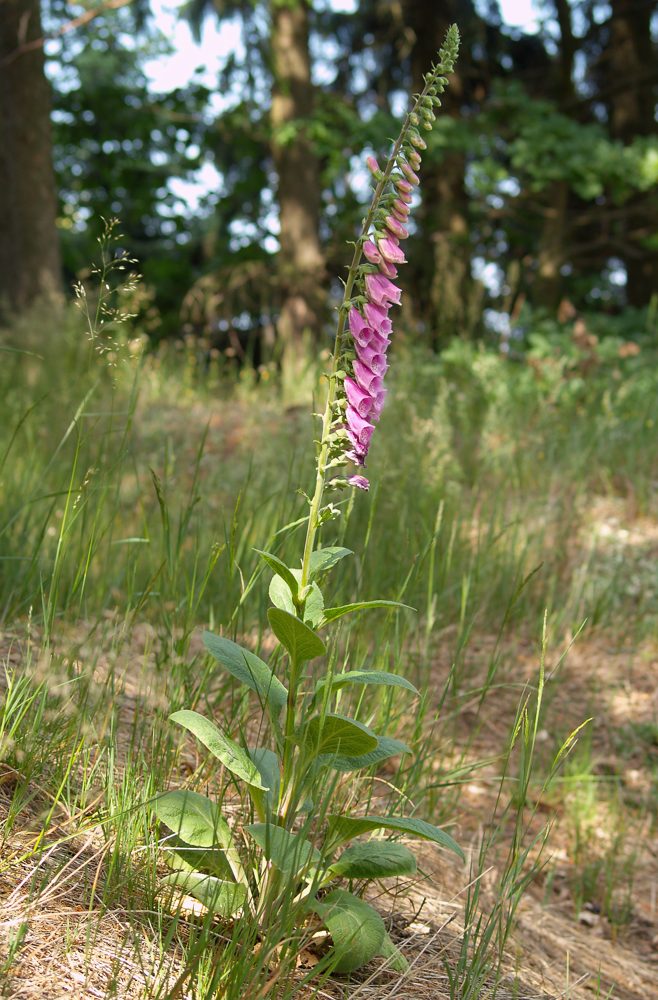
How much is dangerous. 100–200 g of fresh leaves can be fatal to a 500 kg horse. Equally toxic dried in hay.
What you would see. Cardiac glycoside toxicity — slow / irregular pulse, vomiting (in horses uncommon), weakness, collapse, sudden death.
What to do. Emergency vet. Activated charcoal + supportive care. Remove all foxglove from grazing areas.
Worth knowing. Tall pink-purple bell flowers, common in UK gardens + hedgerows.
Hemlock Conium maculatum
Life-threatening
Also known as: Poison hemlock
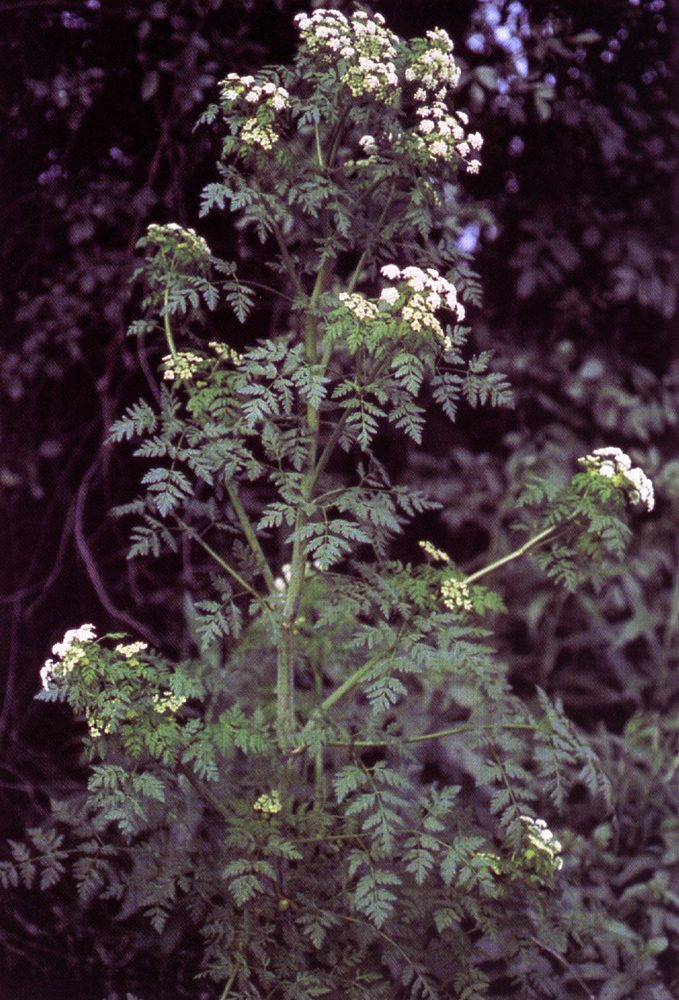
How much is dangerous. About 2 kg of green plant for a 500 kg horse.
What you would see. Nervous-system depression — trembling, weakness, dilated pupils, paralysis, death from respiratory failure within hours.
What to do. Emergency vet. Activated charcoal. Mechanical removal of hemlock from pasture margins / hay fields.
Worth knowing. Carrot-family white-flowering plant; purple-spotted hollow stem. Often grows in disturbed soil + ditches.
Oleander Nerium oleander
Life-threatening
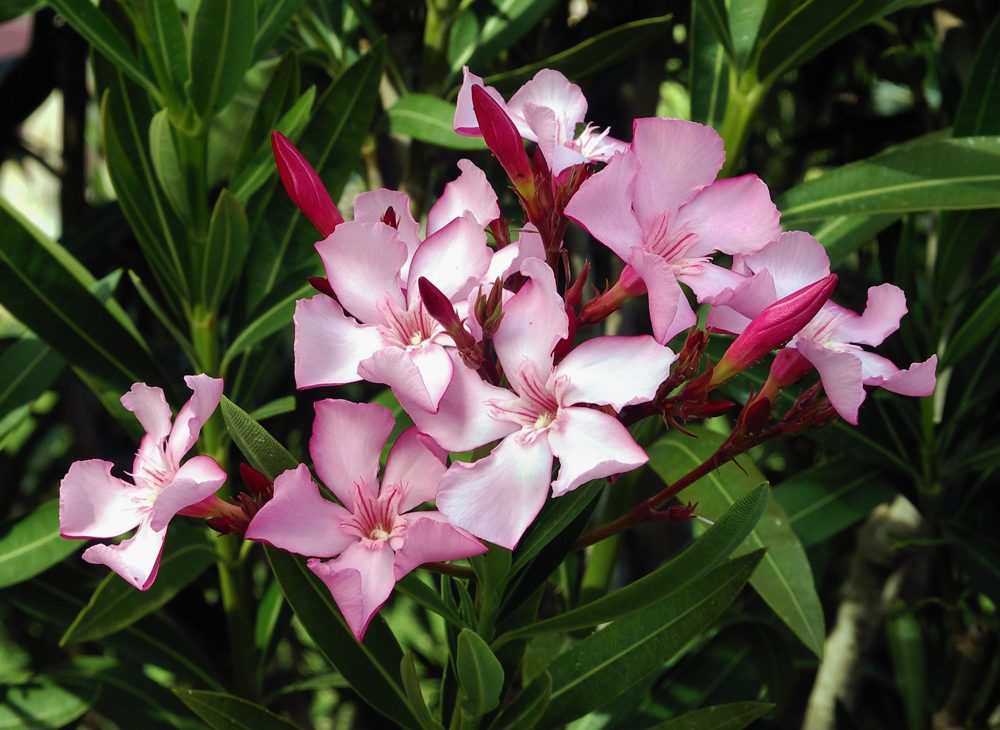
How much is dangerous. 30 g of leaves can kill a horse. Smoke from burning is also toxic.
What you would see. Severe cardiac arrhythmia, colic, sweating, diarrhoea, collapse, death within 24 h.
What to do. Emergency vet. Do not burn cuttings near livestock.
Worth knowing. Common ornamental in Mediterranean / Australian / US-South gardens.
Ragwort Jacobaea vulgaris (syn. Senecio jacobaea)
Life-threatening
Also known as: Common ragwort, Tansy ragwort
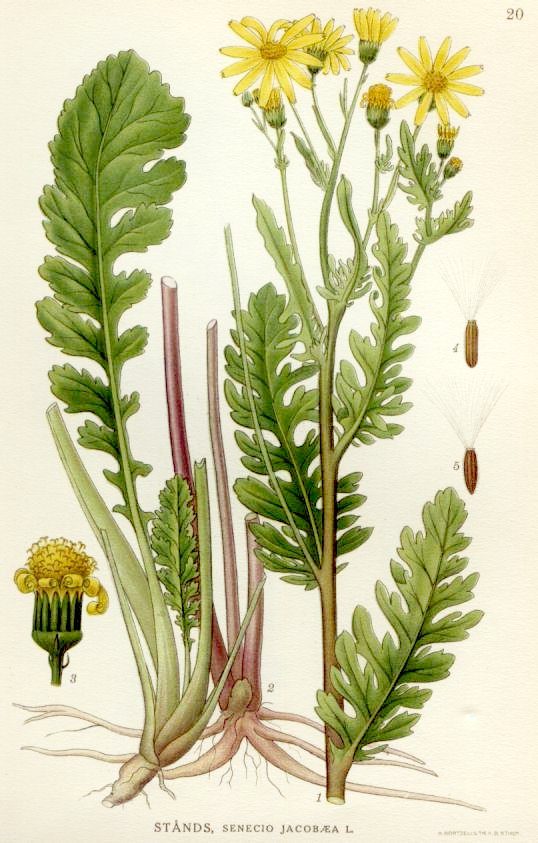
How much is dangerous. 5–10 % of body weight cumulatively in fresh or dried form. Even more palatable in hay than in pasture.
What you would see. Cumulative liver damage — months/years between exposure and clinical signs. Weight loss, photosensitisation, behavioural changes, progressive jaundice, sudden collapse late.
What to do. Remove and burn every plant on the property; never spray + leave to wilt (wilted is more palatable). Vet bloods for liver enzymes if exposure suspected.
Worth knowing. Notifiable in some jurisdictions. Yellow daisy-like flowers.
Red maple Acer rubrum
Life-threatening
Also known as: Wilted red maple
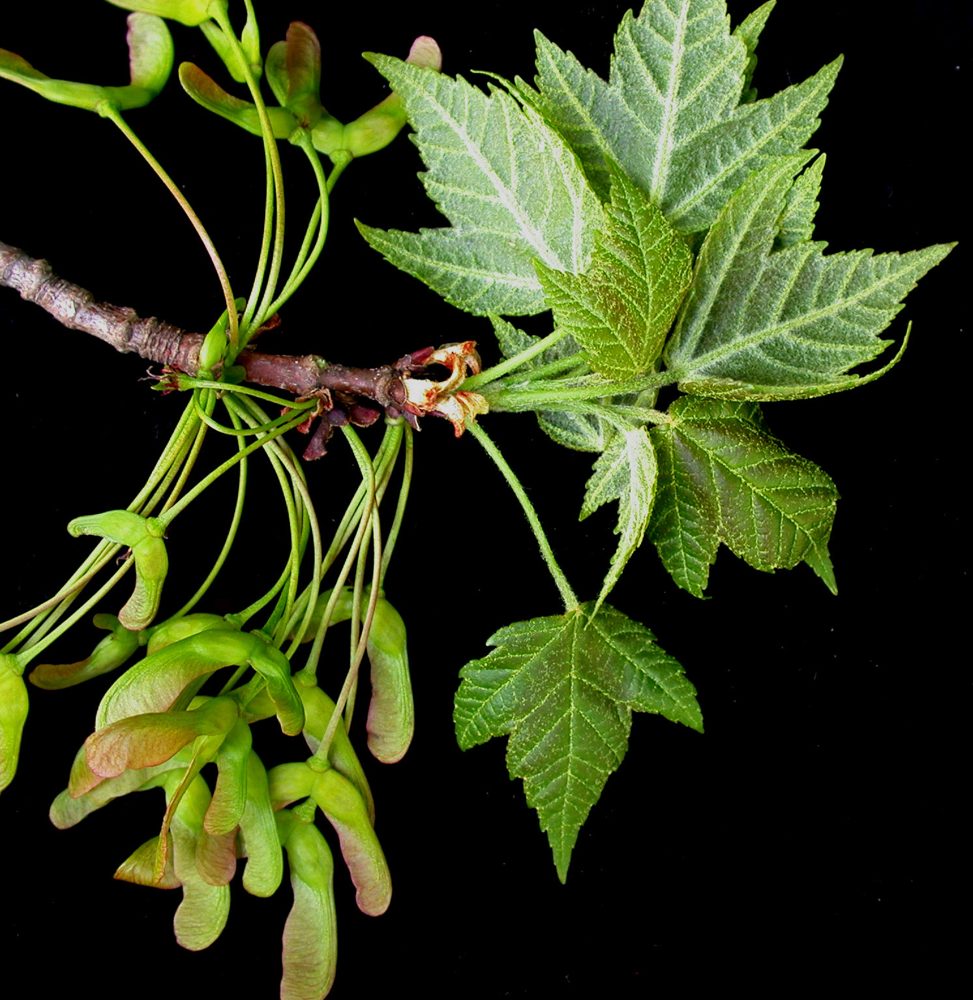
How much is dangerous. About 700 g of wilted or dried leaves for a 500 kg horse. Fresh green leaves are not nearly as toxic.
What you would see. Acute haemolytic anaemia — depression, dark-brown urine, jaundice, rapid breathing. Onset hours to a day after ingesting wilted leaves.
What to do. Emergency vet. Supportive care + IV fluids + sometimes transfusion. Fence horses off red maples, especially after storms.
Worth knowing. US East Coast hazard. Wilted leaves (after fall storms) are the classic source.
Sycamore Acer pseudoplatanus / Acer negundo
Life-threatening
Also known as: Sycamore maple, Box elder, Atypical myopathy plant
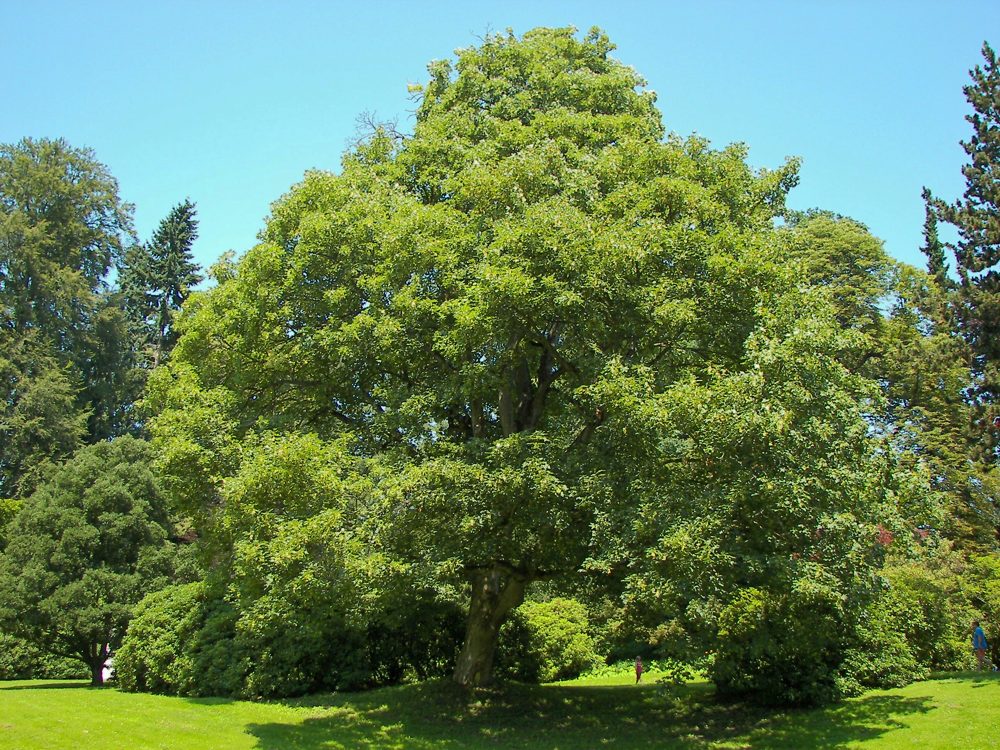
How much is dangerous. Seeds (helicopter wings) and seedlings contain hypoglycin A. As few as 100 seeds enough.
What you would see. Atypical myopathy — sudden severe muscle damage, dark-red urine, reluctance to move, sweating, recumbency. Up to 75 % mortality.
What to do. Vet immediately for IV fluids + supportive care. Remove horses from pastures with sycamores in autumn / spring; rake seeds. Provide supplementary forage.
Worth knowing. Risk in autumn (falling seeds) + spring (seedlings). Many fatalities in the UK + Europe each year.
Water hemlock Cicuta spp.
Life-threatening
Also known as: Cowbane
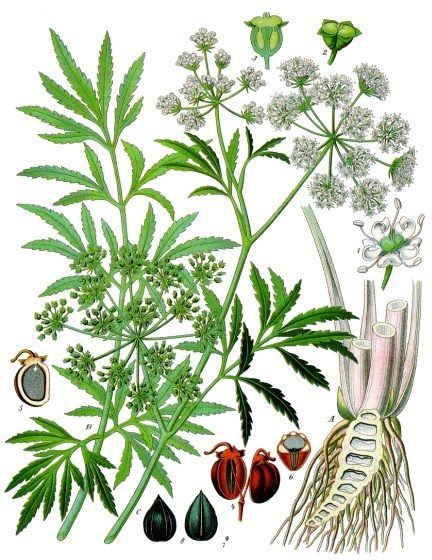
How much is dangerous. A single mouthful of the root can kill.
What you would see. Violent convulsions within 15–60 min of ingestion. Frothing, recumbency, death.
What to do. Emergency vet — usually fatal before help arrives. Fence horses off wet ditches / streams where water hemlock grows.
Worth knowing. One of the most toxic plants in North America. Often confused with water parsnip.
Yew Taxus baccata / Taxus cuspidata
Life-threatening
Also known as: English yew, Japanese yew
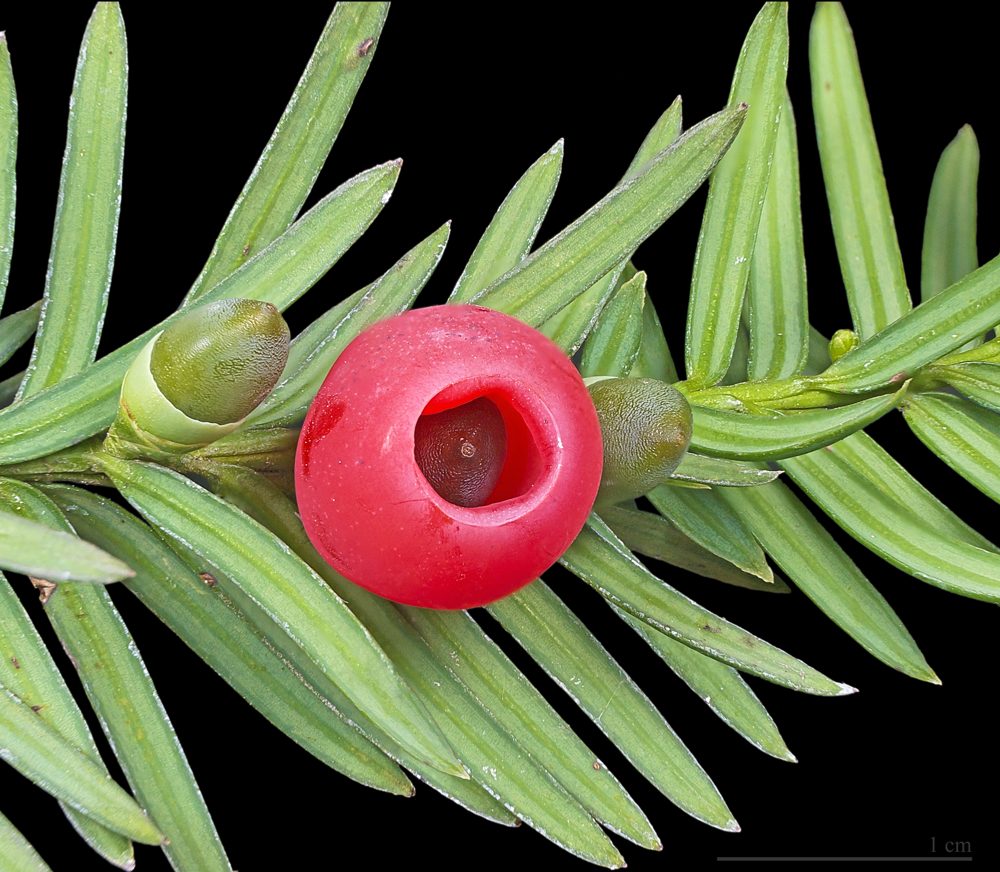
How much is dangerous. 500 g of leaves can kill an adult horse. Both fresh and dried are equally toxic; the red berries are safe but seeds inside are not.
What you would see. Sudden death within minutes to hours of ingestion. Cardiac arrhythmia, collapse — often found dead near a yew hedge with leaves still in the mouth.
What to do. Emergency vet immediately. Activated charcoal if the horse is still alive. Fence off all yew hedges within reach of paddocks.
Worth knowing. Common evergreen hedging plant in UK gardens / churchyards.
Dangerous
Serious illness, and fatal in quantity or with repeated exposure.
Black walnut Juglans nigra
Dangerous
Also known as: Black walnut shavings
How much is dangerous. Even small amounts of shavings (≥ 5 % of bedding) trigger laminitis.
What you would see. Acute laminitis within 24 h of standing on black-walnut bedding. Depression, reluctance to move, heat in feet, lying down.
What to do. Remove the horse from the bedding immediately. Cold-hose feet. Vet for anti-inflammatories + supportive shoeing.
Worth knowing. Risk comes from bedding shavings, not from grazing. Always check bedding source.
Bracken Pteridium aquilinum
Dangerous
Also known as: Bracken fern, Pasture brake
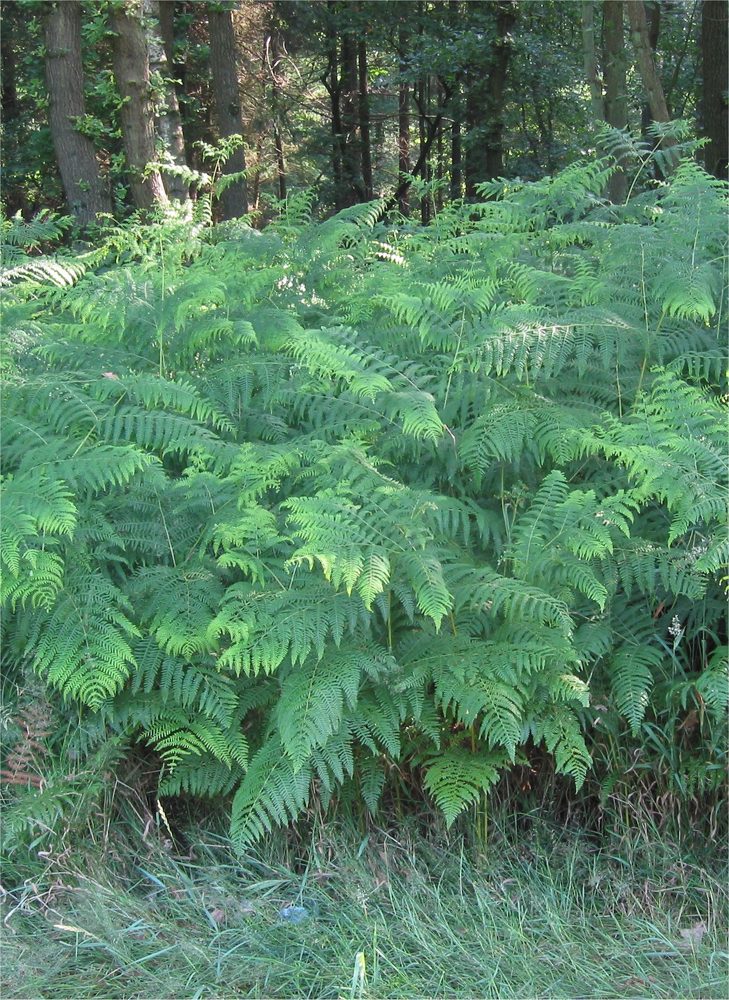
How much is dangerous. Cumulative — must eat > 20 % of diet for 30+ days. Risk in poor forage / overstocked pastures.
What you would see. Thiamine (vitamin B1) deficiency — incoordination, weight loss, depression, then convulsions if untreated. Cumulative.
What to do. Move off bracken pasture. Vet IV thiamine. Long-term: clear bracken or rotate grazing.
Worth knowing. Common UK / NZ moorland; equally toxic green and dried.
Cocklebur Xanthium spp.
Dangerous
How much is dangerous. Seedlings + seeds are the toxic stage. 1–2 % of body weight.
What you would see. Liver damage. Vomiting (rare), weakness, depression, convulsions.
What to do. Vet supportive care. Remove cocklebur from grazing.
Worth knowing. Burrs stick to coats + tails.
Deadly nightshade Atropa belladonna / Solanum spp.
Dangerous
Also known as: Bittersweet, Solanum
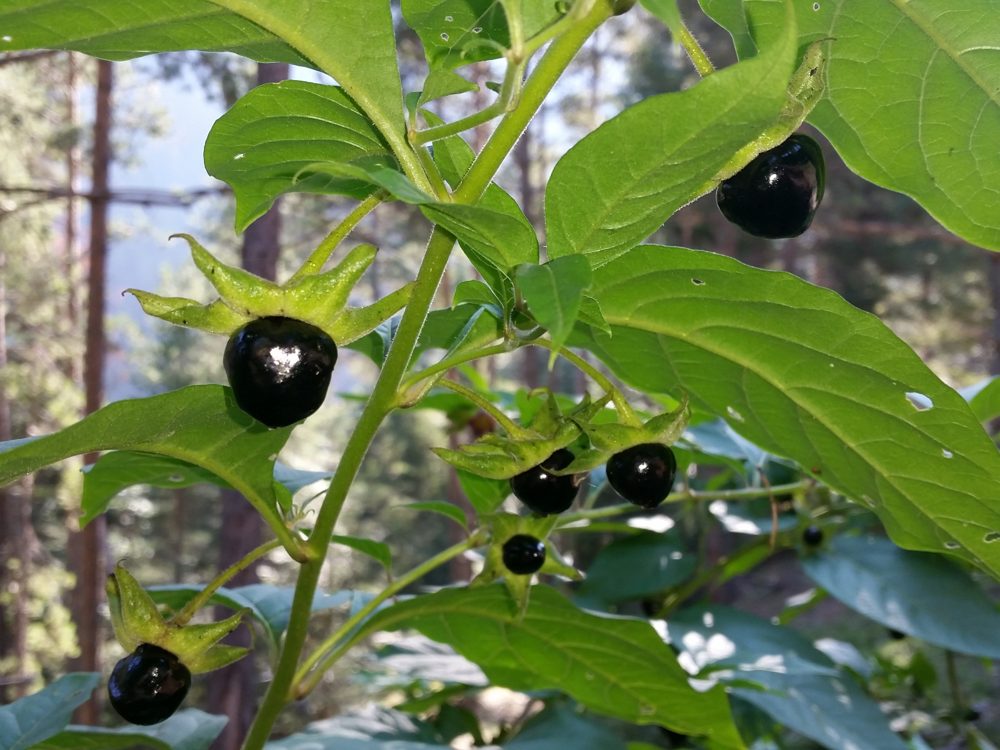
How much is dangerous. About 100–200 g of berries / foliage for a 500 kg horse.
What you would see. Anticholinergic — dilated pupils, dry mouth, gut stasis colic, increased heart rate, ataxia, possible convulsions.
What to do. Vet for supportive care. Remove nightshade from pasture margins.
Worth knowing. Bittersweet has purple flowers + red berries.
Lantana Lantana camara
Dangerous
How much is dangerous. 1 % of body weight of the plant is fatal. Toxic both green and dried.
What you would see. Photosensitisation, jaundice, liver failure. Slow onset over days.
What to do. Vet for supportive care. Fence off lantana hedges.
Worth knowing. Common in Australia / US-South / parts of Africa.
Oak Quercus spp.
Dangerous
Also known as: Acorns, Oak leaves
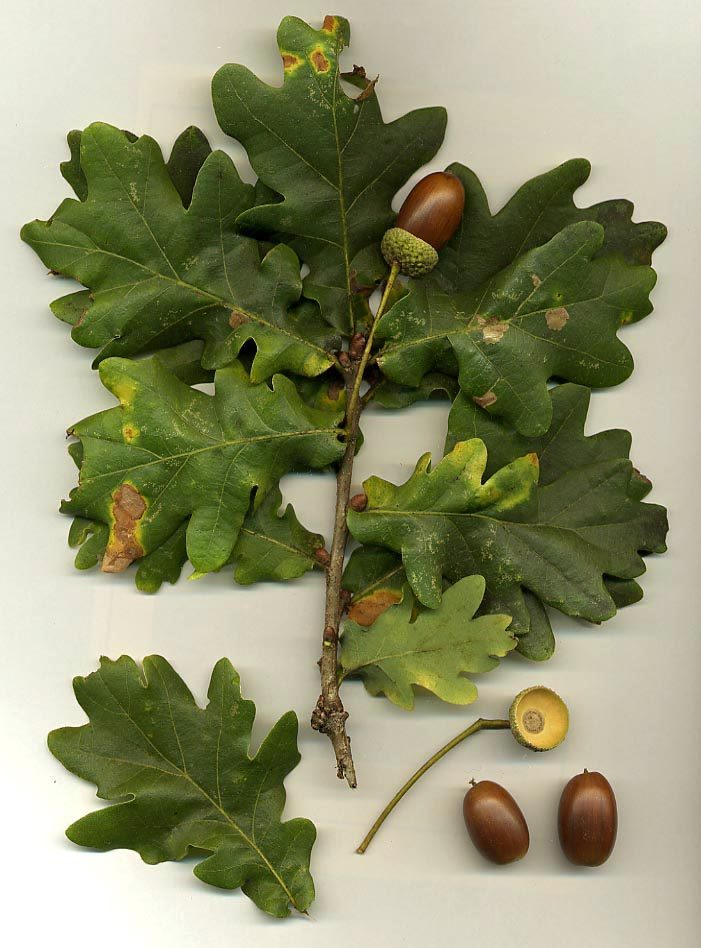
How much is dangerous. A horse eating > 2–5 kg of acorns over a few days. Green acorns and young oak leaves are most toxic.
What you would see. Tannin toxicity — colic, bloody diarrhoea, kidney damage, weight loss. Slow onset, can be fatal if access is unrestricted.
What to do. Move horses away from oaks during autumn acorn drop. Pick up acorns / fence trees. Vet for IV fluids if signs appear.
Worth knowing. Some horses develop a taste for acorns — even after no past issues.
Rhododendron Rhododendron spp.
Dangerous
Also known as: Azalea, Laurel
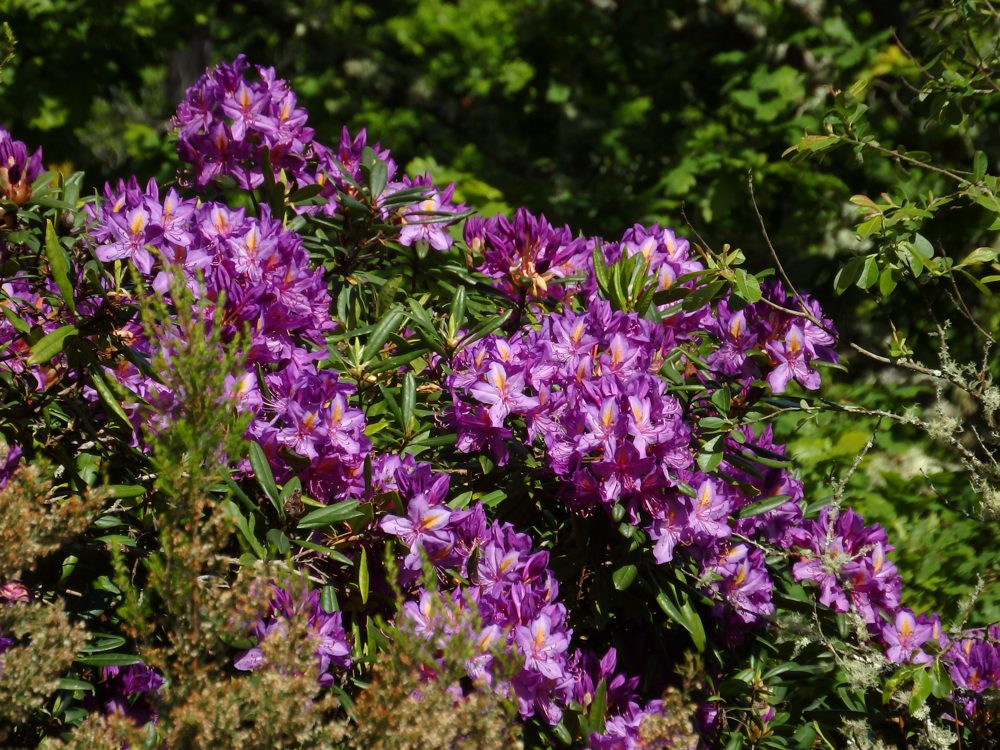
How much is dangerous. As little as 100–200 g of leaves can cause serious illness in a horse.
What you would see. Salivation, colic, vomiting (rare), weakness, irregular heart rate, collapse.
What to do. Vet for supportive care. Fence off ornamental hedges within reach of horses.
Worth knowing. Common UK / US ornamental shrub.
Wild cherry Prunus spp.
Dangerous
Also known as: Chokecherry, Cherry-laurel
How much is dangerous. Even handfuls of wilted leaves can be fatal. Fresh + dried are far less toxic.
What you would see. Cyanide poisoning from wilted leaves — gasping, salivation, ataxia, death within 1–2 h.
What to do. Vet emergency. Fence off cherry trees; rake fallen branches after storms.
Worth knowing. Wilted leaves after storms / pruning are the classic source.
Caution
Generally a problem only with sustained exposure, poor grazing, or when something changes — a drought, an overstocked paddock, a hay batch from an unfamiliar field.
St John’s wort Hypericum perforatum
Caution
How much is dangerous. 1 % of body weight cumulatively over several days.
What you would see. Photosensitisation — sunburn on white-faced / unpigmented skin, blistering, sloughing.
What to do. Move horse off pasture, provide shade + sunscreen on pink skin, vet for steroids if severe.
Worth knowing. Wild yellow-flowered plant; risk highest for white-faced horses.
Buttercup Ranunculus spp.
Caution
How much is dangerous. Fresh — horses generally avoid. Dried in hay is harmless.
What you would see. Mouth blistering, hyper-salivation, mild colic. Rarely fatal.
What to do. Pasture management — increase grazing competition; few horses eat enough to make it serious.
Worth knowing. Yellow flowers in spring. Toxicity destroyed by drying / haymaking.
Horsetail Equisetum arvense
Caution
Also known as: Marestail, Equisetum
How much is dangerous. Cumulative — > 20 % of diet for 2+ weeks.
What you would see. Thiamine deficiency (similar to bracken) — weight loss, incoordination, convulsions if chronic.
What to do. Move off horsetail pasture. Vet thiamine if signs appear.
Worth knowing. Found in damp wet areas + heavy in hay if mown over horsetail patches.
What actually reduces the risk
- Walk the boundary, not the middle. Most poisonous plants arrive at fence lines, under trees and in the corners horses graze last. That is also where they end up when grass runs short.
- Watch what overhangs. Yew, oleander, laburnum and red maple are usually someone else’s plant leaning over your fence. A neighbour’s churchyard yew is a legitimate reason for a conversation.
- Treat autumn and spring as the risk seasons. Acorns and sycamore seeds in autumn; sycamore seedlings and fresh growth in spring. Both coincide with thin grazing, which is exactly when horses start eating things they would normally leave.
- Keep forage in front of them. A horse with enough hay is far less likely to experiment. Most poisoning cases involve a horse that was hungry.
- Know your hay supplier. Ragwort, foxglove and hemlock are all as toxic dried as fresh, and they are invisible once baled.
If you think a horse has eaten something
Call your vet. Do not wait to see whether signs develop, particularly with yew, oleander, water hemlock or sycamore, where the window between eating and collapse can be very short. If you can, take a sample or a photograph of the plant, and note roughly how much and how long ago. Activated charcoal is useful early in some poisonings, but that is a decision for the vet, not for the yard.
This article is a reference, not a diagnosis. Plant identification is genuinely difficult — hemlock resembles cow parsley, and water hemlock resembles several harmless umbellifers. If you are not certain what you are looking at, fence it off and ask someone who is.
All nineteen plants are in the free toxic plant guide in Estride Care Kit, with symptoms, toxic doses and what to do, alongside a colic walkthrough, equine vitals and a drug dose calculator. Nothing to buy and no sensor needed.
See what is in Estride Care Kit →
Download free: App Store · Google Play
Sources
Toxic doses and clinical signs are drawn from British Horse Society, RSPCA, American Association of Equine Practitioners and Cornell University Plants Poisonous to Livestock guidance. Photographs are from Wikimedia Commons and are credited individually above.


Leave A Comment